
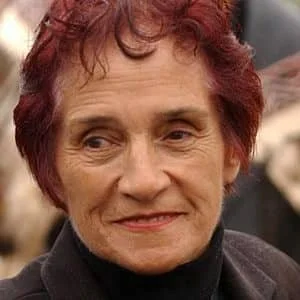
Titewhai Harawira
(1932 – 2023)
Titewhai Harawira was born in 1932 in Whakapara, the eldest of seven children, of Ngāpuhi and Ngāti Wai descent — descended from Ngāpuhi chiefs Eruera Maihi Patuone and Tāmati Wāka Nene. She trained as a nurse. In 1952 she married John Puriri Harawira and they had twelve children, including politician Hone Harawira. She and her husband were founding members of Hoani Waititi Marae — one of the pioneering urban marae in Auckland, built at a time when the urbanisation of Māori was one of the most significant social shifts of the twentieth century. She understood from early on that if Māori were moving to the cities, the city needed to have a place that was theirs.
In the 1970s she became one of the leading members of Ngā Tamatoa — the Māori activist group that presented a petition of over 30,000 signatures to Parliament in 1972 demanding recognition of te reo Māori. She was unequivocal about why. "We were determined to rescue our language because we felt and we believed, and we believe today, that a people without its language is a people that die." In her later years she drew a direct line from that work to everything that followed. "We've got radio today, we've got television today, we've got fishing rights today, we've got land rights today, we've got a Māori Party today. Why? Because a few of us have had the courage to get up there and push the boundaries for the last 50 years and I don't apologise for that to anybody then or now."
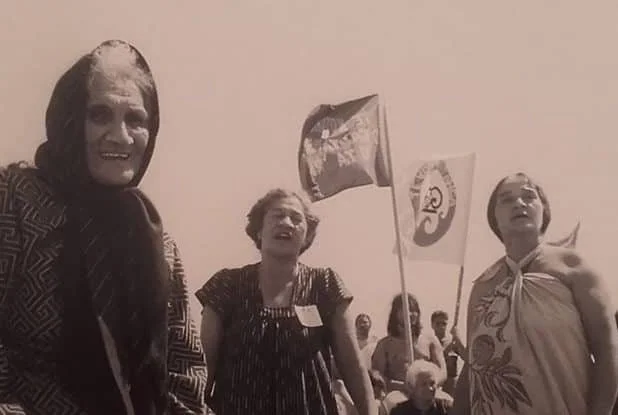
She was one of the organisers of the 1975 land hīkoi — marching alongside Whina Cooper from the far north to Parliament. She had witnessed first-hand the alienation of Māori land during her childhood. That experience never left her and it never stopped driving her.
For decades she was the most visible and disruptive presence at Waitangi Day — undertaking the informal role of welcoming and accompanying the New Zealand Prime Minister onto Te Tii marae during Waitangi Day celebrations. But this role was never passive. The incident that became most known involved Prime Minister Helen Clark, who had been given special permission to speak at the marae since she held the office of Prime Minister — at a time when Māori women were denied the same right. Harawira objected — not out of deference to the custom that excluded wāhine, but because a Pākehā woman was being granted speaking rights that Māori women were refused. She went to Clark and told her to sit down. Clark was seen wiping tears on live television. It was not simply confrontation for its own sake. It was a pointed and deliberate challenge about whose rights were being selectively recognised — and whose were not.
Her story cannot be told without honesty about all of it. She was convicted of a serious offence — a sentencing judge described the conduct as "an arrogant and frightening abuse of authority and power," noting that she should have used her position to prevent harm rather than cause it. As a result she was unable to stand for election to the Auckland Area Health Board in 1989 and her nomination to a Māori advisory committee in 1995 was rejected. This is part of her full story. A person can be a significant force for change and also cause real harm. Both things are true of Titewhai Harawira.
She had no qualms calling out failure — in government, in Māori leadership, anywhere she saw it. Her fighting spirit she traced back to her grandfather — and to a simple conviction: "You get nothing today by being so polite. You can be polite but you must always be honest."
She died on 25 January 2023, aged 90. Two weeks earlier she had attended a major hui at Waitangi. Still present, to the very end.
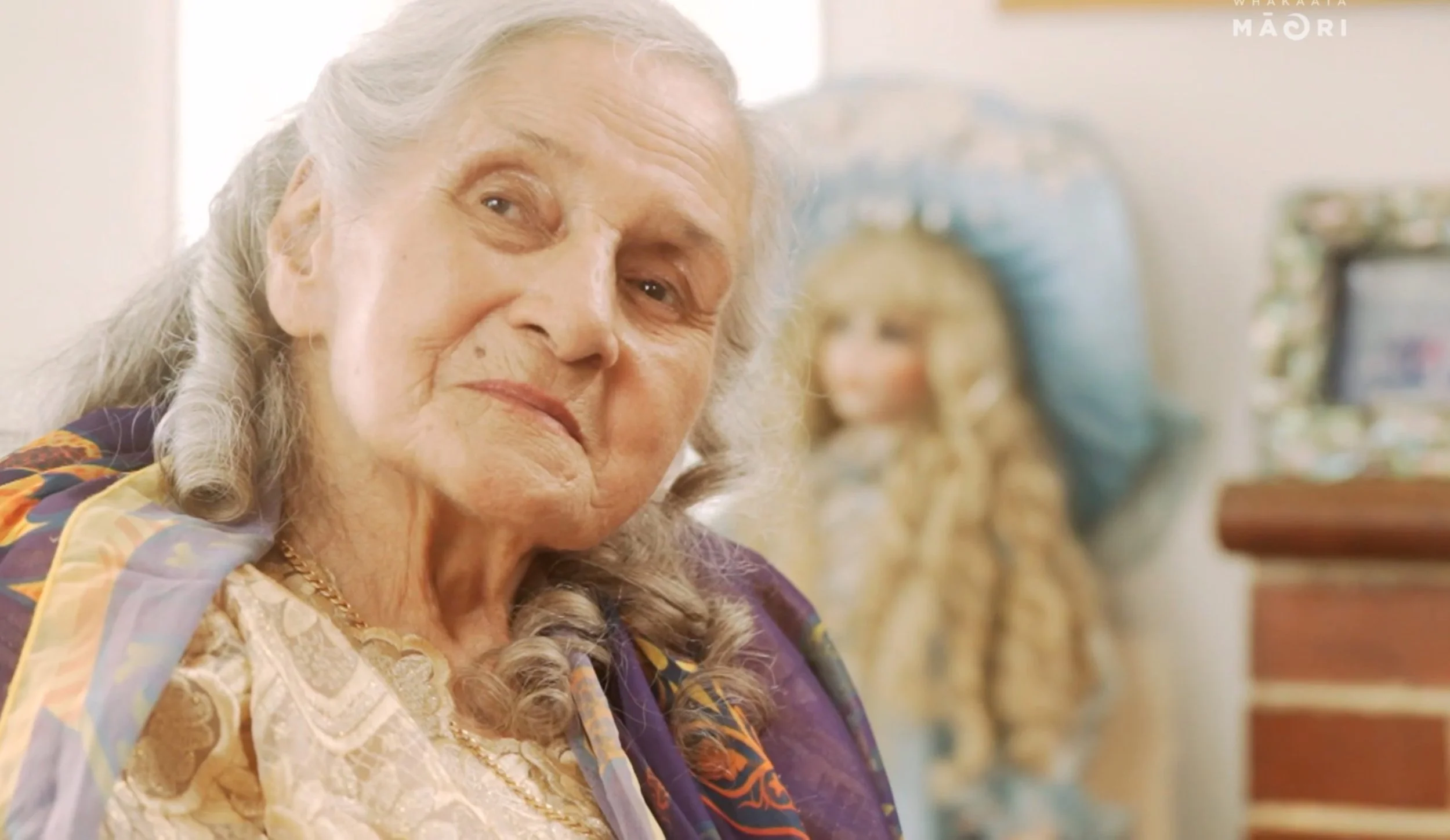
Just don’t call her an activist

The Lowdown NZ
a space created with rangatahi, for rangatahi. Find support here for your hauora, identity, culture and mental health.