
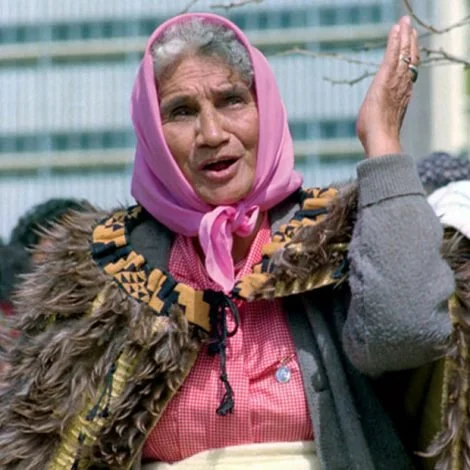
Dame Whina Cooper
(1895 – 1994)
Hōhepine Te Wake was born on 9 December 1895 in Te Karaka, northern Hokianga — daughter of a tribal chief, with an early and deep interest in her history and ancestry. The world would come to know her as Dame Whina Cooper. Her own people would give her a title that said everything: Te Whaea o te Motu. Mother of the Nation.
She started early. At eighteen she led her first protest — sabotaging a Pākehā farmer's attempt to drain a local swamp that Māori used to gather kaimoana. A young woman standing between her people and the loss of something that was theirs. It would not be the last time.
In the decades that followed, before the events she is most famous for, she built. She opened a post office, a community centre that welcomed wāhine and their voices, and a medical clinic in northern Hokianga. By the early 1930s she was acknowledged as the Māori leader of her region. She was not waiting for the world to give her a platform. She was constructing one.
Her personal life was not without courage of a different kind. When her first husband died in 1935, she was pregnant to William Cooper. She announced this at a hui in Panguru, alongside their intention to marry. The community reaction was shock and anger — she was challenging the customs of a Māori rural community while standing as a pillar of the Catholic Church. She withdrew with Cooper and her children rather than recant. A woman willing to defy her own community when she believed she was right.
In 1951 she was elected the first president of the Māori Women's Welfare League — the first-ever national Māori organisation. The League focused on poor Māori housing in Auckland, and the racial discrimination Māori faced in housing, healthcare, and education. By 1956 it had more than 300 branches and 4,000 members. When she stepped down as president in 1957, the annual conference gave her the name she would carry for the rest of her life — Te Whaea o te Motu.
Then came 1975. At seventy-nine years old, she led Māori land protest marches on foot from Te Hāpua in the far north to Parliament in Wellington — arriving on 13 October with approximately 5,000 marchers and a petition signed by 60,000 people, presented to Prime Minister Bill Rowling. The image of a nearly eighty-year-old woman at the front of that march became one of the most iconic in New Zealand history. The Treaty of Waitangi Act was passed that same month.
She was made a DBE in 1981 and a Member of the Order of New Zealand in 1990 — the country's highest honour. She reached her widest audience when she spoke at the opening of the 14th Commonwealth Games in Auckland. Her message was one she returned to again and again in her later years — that the Treaty was signed so that all people could live as one nation in Aotearoa.
Her later years held tension too. The Māori world had changed around her — leadership had moved toward group decision-making, toward patience and documentation and process. She had always led from the front, trusting the inspiration of the moment to carry the day. That was a source of friction within Te Rarawa and at Panguru. Even the most remarkable leaders do not always sit comfortably in the world their own mahi helped to create.
She died on 26 March 1994, aged 98. Her televised tangi was watched by more than a million New Zealanders. Māori and Pākehā alike mourned her.
Whina Cooper spent nearly a century leading — from a swamp in Hokianga at eighteen to the steps of Parliament at seventy-nine. She built institutions, defied her own community, marched when her body could have told her to rest, and never stopped insisting that Māori land and Māori dignity were not things to be quietly accepted as lost. She was not one thing. She was all of it — community builder, land rights leader, national figure, imperfect and extraordinary human being.
The question worth sitting with is the one her legacy raises quietly: why does one model of wāhine Māori leadership become visible to Pākehā New Zealand when others don't? What does it mean that she crossed over, when Eva Rickard and others did not? That is not a criticism of her. It is a question about the culture that decided who it was willing to see.
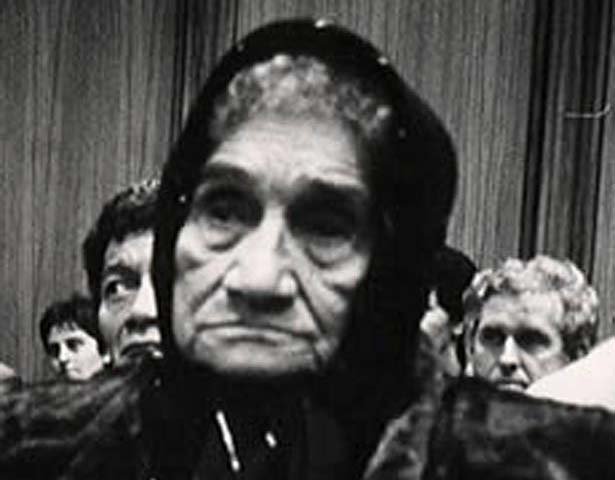
Whina Cooper
Whina Cooper, of Te Rārawa, was born in northern Hokianga in 1895. She took part in local affairs and by the 1930s had become a leader of the northern Hokianga people.

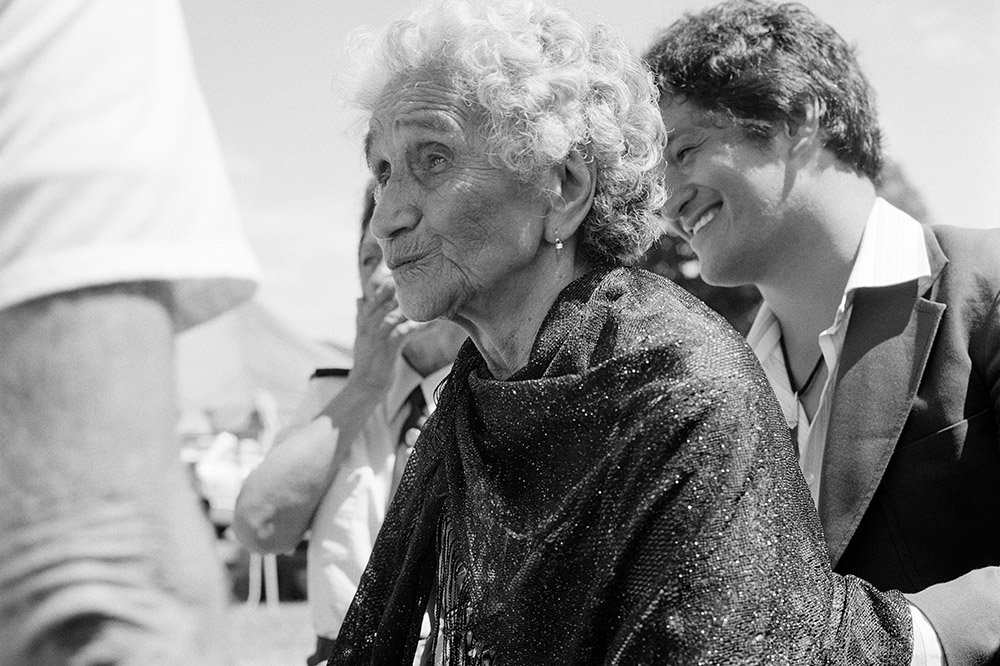
Dame Whina Cooper
Māori have a long history of activism against land confiscations at the hands of the Crown, which broke many promises of modern New Zealand’s founding document, the Treaty of Waitangi, signed in 1840. Two such protest movements are the Land March of 1975 and occupation of Takaparawhau Bastion Point during 1977 and 1978 – powerful events that forever changed the course of life in Aotearoa New Zealand.